If you want the look of stone, brick, or wood without the maintenance and higher material costs, stamped concrete offers a convincing alternative. With the right design, color, and sealer, it can deliver curb appeal that fits your budget and withstands daily use. This guide walks you through common styles, how color and texture work together, and what to consider before you commit. By the end, you’ll know how to choose patterns that match your home, climate, and lifestyle.
Understanding Stamped Concrete Patterns for First-Time Homeowners
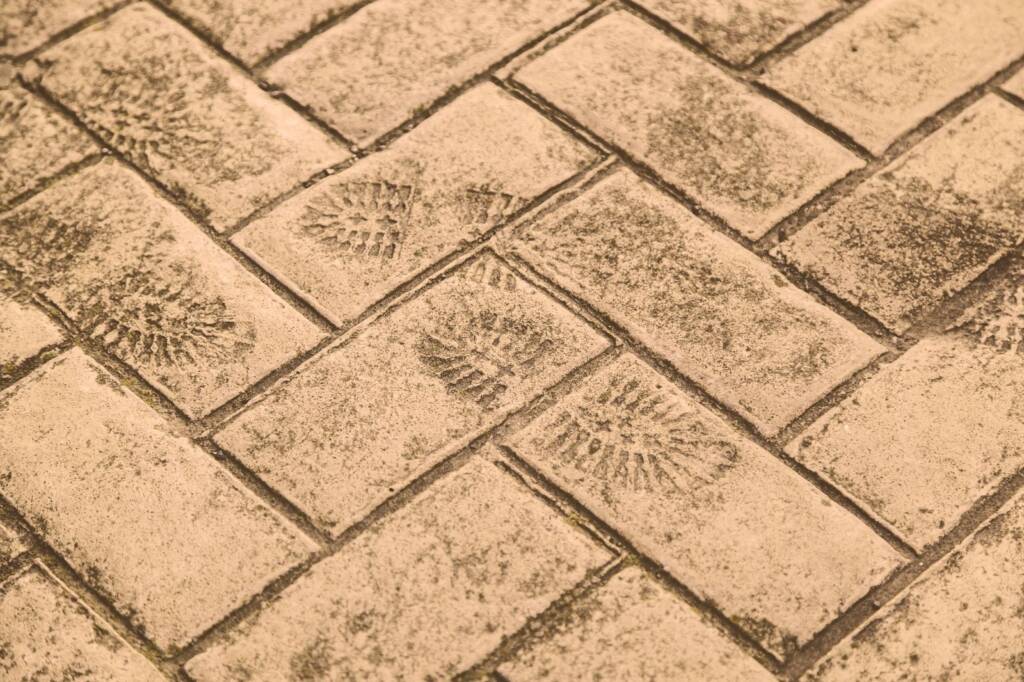
At its simplest, stamping presses textured mats into fresh concrete to imprint a surface that looks like cut stone, brick, pavers, or wood. The realism comes from texture depth, layout lines, and the way color settles into low spots to create shadows. Because the slab is monolithic, you avoid weeds between joints and shifting that can happen with individual pavers. Success depends on thoughtful planning: the right mix, timing, release agents, and a sealer finish suited to your space.
Stamped Concrete Patterns That Mimic Natural Stone
Stone-inspired looks are favorites for patios, walks, and pool decks because they feel upscale and organic. These patterns rely on irregular shapes, fractured edges, and layered shading to sell the illusion. If your home has many masonry accents or a naturalistic landscape, stone is a versatile starting point.
Flagstone Look
Large, irregular stones with soft edges read relaxed and timeless. Wider faux joints and varied shapes help patios blend into surrounding plantings.
Slate Tile Look
Tighter grout lines and crisp clefts feel tailored and architectural. This pattern works well near modern facades and structured gardens.
Random Stone Layout
Mixed sizes and broken edges create movement and visual texture. It’s a strong choice when you want interest without a repeating grid.
Stamped Concrete Patterns Inspired by Brick and Pavers
Brick and paver styles bring order and rhythm, making them naturals for entries, walks, and driveways. Their repeating geometry complements traditional homes and pairs well with straight landscape lines. Color ranges from warm reds and browns to cool charcoals and taupes.
Running Bond Brick
Offset rows feel classic and clean, great for front walks. Narrow joints and subtle antiquing boost realism without looking busy.
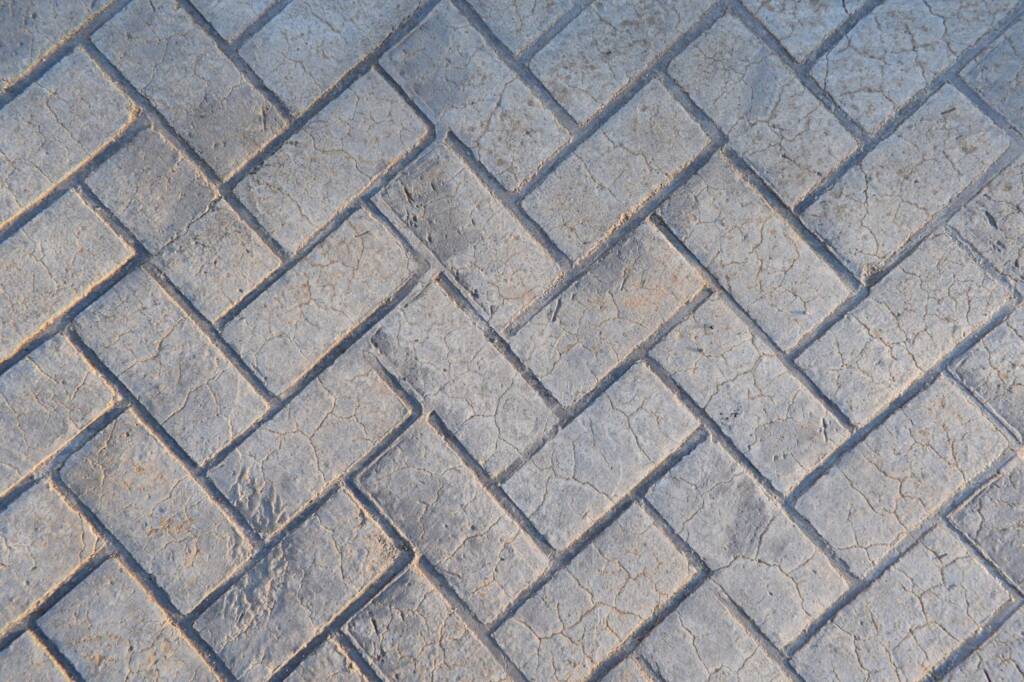
Herringbone Brick
Angles add energy and traction underfoot. This layout shines on driveways and gathering spaces that need visual punch.
Basketweave Brick
Interlocking pairs create a woven effect that reads refined. It’s a charming fit for courtyards and small patios.
Wood-Plank Style Stamped Concrete Patterns for Warmth
Wood-look stamping delivers the texture of boards without rot, splinters, or sanding. Long linear planks visually expand narrow spaces and bring a lounge-like feel to patios and porches. Stains and release powders settle into the grain, highlighting knots and saw marks.
Board Width and Grain
Mixing plank widths and pronounced grain creates a custom, crafted look. Thinner boards can make small spaces appear wider.
Color Wash and Release
Layered browns, grays, or driftwood tones build depth. A darker release catches grooves to mimic real weathering.
Knot and Nailhead Detail
Strategic knots and faux fasteners add realism. Keep placement irregular so the pattern avoids repetition.
Choosing Stamped Concrete Patterns Based On Location and Use
Function should guide style so the surface feels as good as it looks. Think about slopes, sun exposure, and how the area is used day to day. The right texture and sealer keep the surface comfortable and safe. Tighter joints and moderate texture improve tire grip. A matte or low-sheen sealer helps reduce slickness when wet. Open textures and lighter colors stay cooler in the sun. Anti-slip additives in the sealer make bare feet feel secure.
Color and Finish Techniques to Elevate Stamped Concrete Patterns
Color systems do much of the heavy lifting in realism. Integral color tints the whole mix, while shake-on hardeners and stains add layered tones and highlight recesses. The final sealer ties the palette together and sets the surface sheen.
Integral Color Vs Shake-On
Integral color is uniform and forgiving of scratches. Shake-on hardeners intensify hues and improve abrasion resistance near entries.
Antiquing and Stains
Powder or liquid release adds shadow in the joints and creases. Light stain passes can warm or cool the overall tone without masking texture.
Sealer Sheen and Additives
Matte finishes look natural on stone and brick surfaces. Add fine-grit traction agents where water or slopes are present.
Installation Basics That Influence Stamped Concrete Patterns
Even the best stamp mats disappoint if timing or prep is off. Crews monitor temperature and wind, and set a time to catch the ideal stamp window, then work in a leapfrog rhythm so impressions stay consistent. Joints are planned to control normal shrinkage without cutting through key design lines
Stamp Window Timing
If the surface is too soft, edges blur; too hard, mats won’t bite. Experienced installers test with touch and simple tools to nail the sweet spot.
Seamless Skins vs Rigid Mats
Seamless skins create an all-over texture with no grout lines, making them great for modern spaces. Rigid mats create defined stones, bricks, or planks with crisp edges.
Joint Placement Strategy
Control joints are aligned with pattern breaks to hide cuts. Thoughtful layout keeps the look intact while protecting the slab.
Maintenance Essentials for Stamped Concrete Patterns
Care is straightforward: gentle washing, spot degreasing, and resealing at intervals your climate demands. In four-season regions, check high-traffic areas annually and refresh the sealer every couple of years to maintain color depth and protection. Avoid harsh de-icers containing ammonium salts, which can damage the surface over time. When small cracks appear from normal movement, clean and seal them early to prevent moisture intrusion.
Budgeting Stamped Concrete Patterns for Your Project
Costs vary with pattern complexity, color layers, access, and prep needs, but stamped finishes are typically more cost-effective than installing separate pavers or stone. Because the slab is continuous, you also save time on base preparation and joint maintenance. A realistic budget includes resealing down the road, which is modest compared to resetting loose pavers or replacing damaged boards. Thinking in terms of total lifespan helps compare options more fairly.
Cost Drivers to Watch
Multiple color passes, intricate layouts, and tight access raise labor costs. Larger continuous pours can improve value by spreading setup time over a larger area.
Comparing to Pavers Or Stone
Stamped surfaces avoid weeds and settling between units. With good prep and sealer care, the look stays consistent year after year.
Hiring The Right Crew for Stamped Concrete Patterns
A skilled installer is the difference between believable texture and a flat, repetitive result. Ask to see recent projects in similar colors and patterns, and request sample boards to view in natural light at your site. A detailed proposal should name the pattern, mat brand, joint plan, color system, and sealer type so you know exactly what will be installed. Clear communication about curing, resealing, and traction expectations keeps the finished surface beautiful and practical.
Visit the MMM Concrete blog to learn more about the unique style that stamped concrete has to offer.