For many homeowners, a natural lawn feels like a never-ending to-do list of mowing, watering, fertilizing, and patching bare spots. Weekends disappear into yardwork, and hot, dry weather can undo months of effort in just a few days. That’s why more people are turning to artificial grass as a way to reclaim their time while still enjoying a lush, green yard. Modern turf looks and feels far more realistic than older versions and can be tailored to different parts of your property. Understanding how artificial grass works and what it offers makes it easier to see how it can turn a high-maintenance lawn into a relaxing outdoor retreat.
How Artificial Grass Reduces Yard Work and Weekly Chores
The most significant appeal of artificial grass is the way it dramatically cuts your routine maintenance. Natural lawns need frequent mowing, edging, watering, fertilizing, and weed control just to stay presentable. With turf, you no longer have to haul out the mower, manage gas or cords, or schedule yard crews every few weeks. There is no need to spend money on lawn chemicals or worry about brown patches after a heatwave or heavy foot traffic. Instead, artificial grass only requires occasional rinsing, brushing, and debris removal to keep it looking fresh, which means you get your weekends back without sacrificing curb appeal.
Designing With Artificial Grass For Functional, Beautiful Spaces
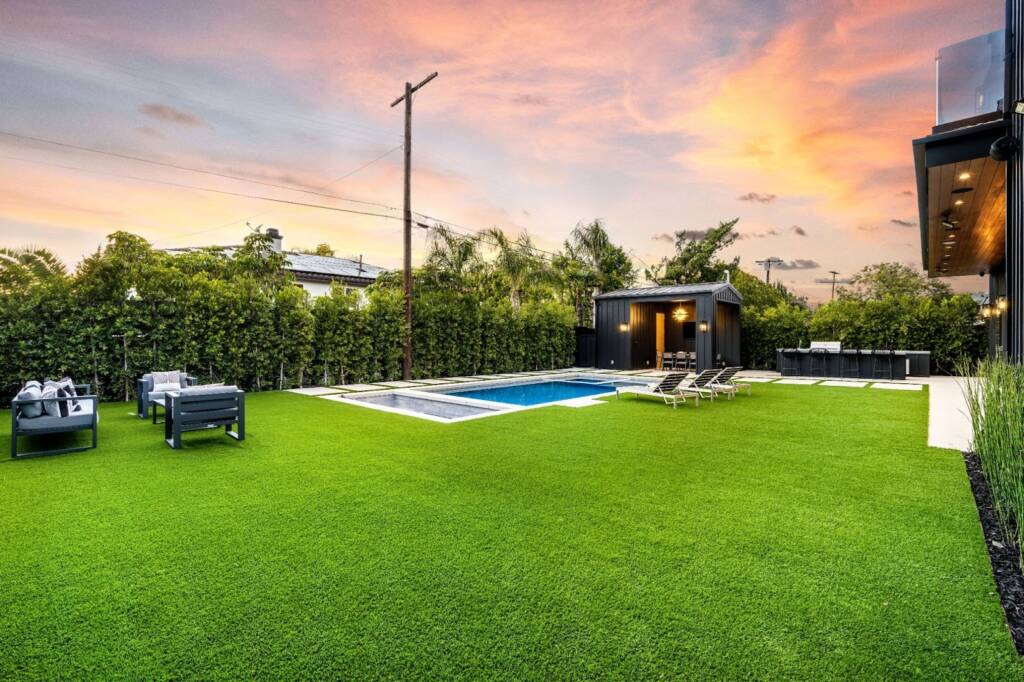
Artificial grass gives you greater design freedom because it stays consistent year-round and can be installed in areas where natural grass struggles. Shady areas, high-traffic paths, narrow side yards, and hard-to-mow slopes all become easier to use and enjoy. You can pair turf with pavers, gravel, planters, and flower beds to create defined living zones for dining, lounging, and play. Since artificial grass does not get muddy or patchy, it makes an excellent surface around pools, under playsets, and near patios where people frequently walk barefoot. The result is a yard that feels intentional and inviting instead of patchy and uneven.
Patios and Outdoor Rooms
Installing turf next to patios and seating areas softens the space and adds a resort-like feel. It also keeps dirt and mud from being tracked back into the house after outdoor gatherings.
Narrow Or Awkward Spots
Side yards, corners, and spaces between structures are easier to clean and maintain with turf. These tricky areas turn into usable pathways instead of neglected patches of dirt.
Artificial Grass and The Impact On Water Use and Yard Costs
Traditional lawns are thirsty, especially in hot or dry climates where sprinklers have to run frequently to keep grass alive. Artificial grass removes that constant demand for irrigation, which can significantly reduce your monthly water bill and help conserve a valuable resource. You also avoid the costs of fertilizers, weed control products, and overseeding to repair thin or damaged areas each season. While turf has an upfront installation cost, many homeowners find that savings on watering, treatments, and lawn services help offset the investment over time. For people who want a green yard without the ongoing expense, artificial grass offers a predictable, low-maintenance alternative.
Family- and Pet-Friendly Benefits Of Artificial Grass
Artificial grass can make outdoor spaces more enjoyable for both kids and pets. Because the surface stays even and free of muddy spots, children have a safer place to run, play, and sit without getting covered in dirt. Modern turf products also offer good drainage, allowing rainwater to move through the surface quickly rather than pooling in low spots. For pet owners, artificial grass can be designed with infill and base layers that help manage odors and make cleanup easier. With the right product and installation, you can give pets a comfortable place to roam that does not turn into a mess after every rain or zoomie session.
Cleaner Play Areas
Turf under playsets or in dedicated play zones stays level and mud-free. Parents spend less time cleaning shoes and more time enjoying the yard with their kids.
Pet-Friendly Features
Some turf systems use specific infills and drainage designs to help minimize odors and residue. Regular rinsing and simple maintenance keep pet areas fresh and usable.
Maintenance Tips That Keep Artificial Grass Looking Great
While artificial grass is low-maintenance, it still requires basic care to look its best year-round. Occasional rinsing helps remove dust, pollen, and small debris, especially in high-traffic areas or near trees. Lightly brushing the fibers with a stiff broom or power broom can lift flattened blades and keep the surface looking full and natural. If leaves, twigs, or other yard debris accumulate, removing them prevents matting and allows water to drain properly through the turf. When spills or pet messes occur, prompt cleanup with mild cleaners keeps the surface hygienic and attractive with minimal effort.
Simple Seasonal Care
A quick seasonal refresh with brushing and rinsing is often enough to revive the look of turf. This light work replaces the heavy seasonal chores that natural lawns demand.
Protecting From Heavy Items
If you move furniture, grills, or planters, shifting them occasionally helps avoid permanent indentations. Using pads or supports under weighty objects can further protect the surface.
Choosing Professional Installation For Artificial Grass In Your Yard
The quality of your artificial grass installation plays a big role in how low-maintenance and long-lasting it will be. Professional installers understand how to remove existing turf, grade and compact the base, and design drainage to move water away from your home. They carefully seam sections together, secure edges, and add the right amount of infill so the surface feels stable and looks natural. A well-installed system resists wrinkles, dips, and gaps that could catch feet or trap water. When you work with an experienced team, you can feel confident that your artificial grass will perform as promised, allowing you to enjoy a beautiful yard without worrying about constant upkeep. Ask about product quality, warranties, and previous projects when comparing installers. Seeing finished yards in person or in photos can help you visualize the results. Thinking through how you use each part of the yard helps you decide where turf will be most beneficial. A clear plan ensures your installation supports your lifestyle and daily routines.
Visit the MMM Concrete blog to learn more about the impact of artificial grass.