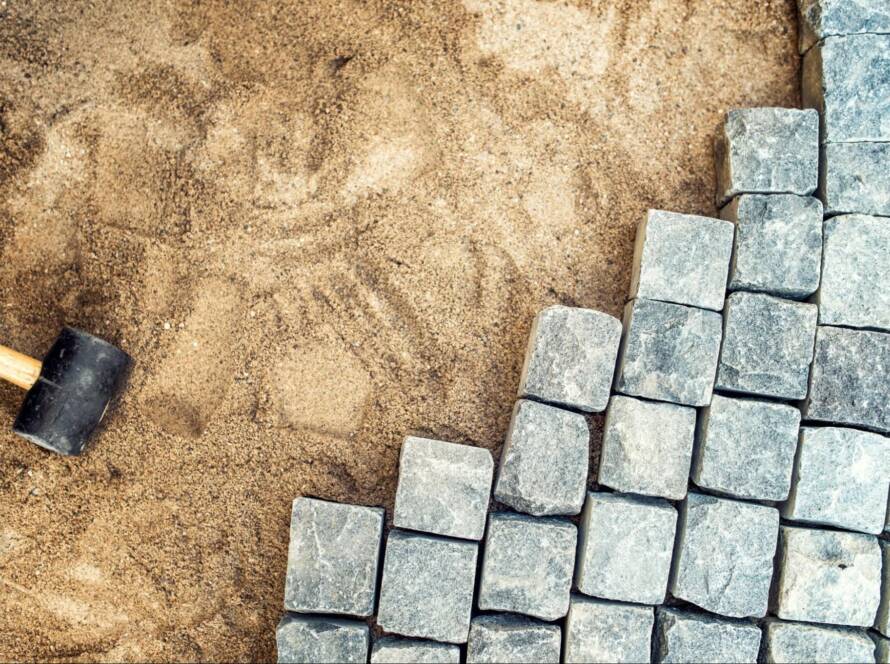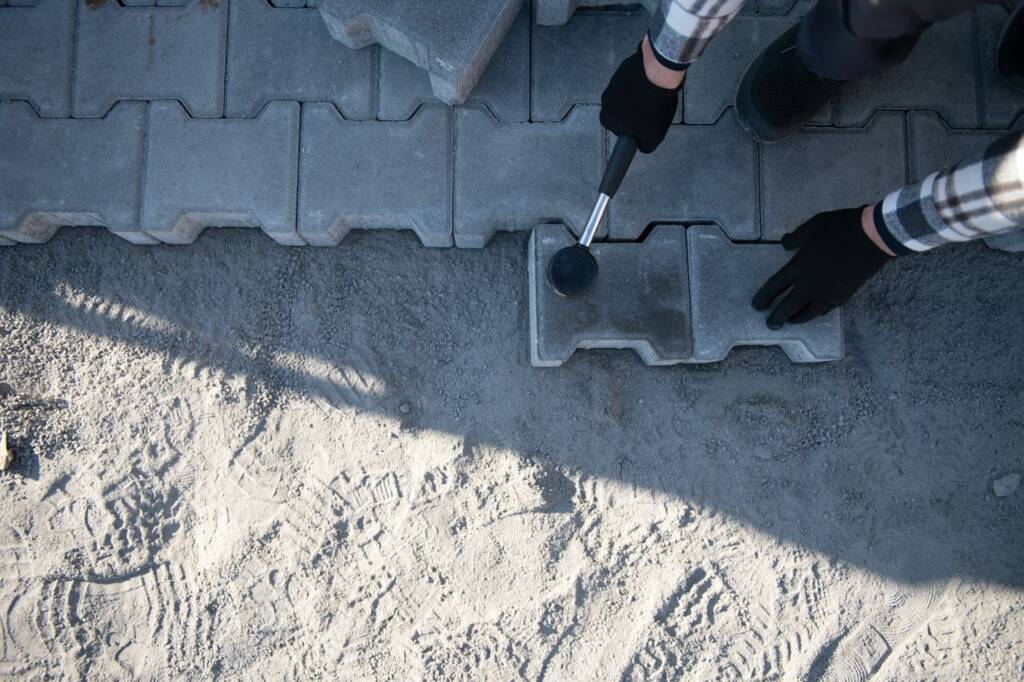
When you start planning a new patio, driveway, or walkway, one of the first big decisions you face is whether to go with concrete pavers or a poured slab. At first glance, it might seem like a simple style choice, but the comparison between pavers vs concrete touches everything from cost and durability to maintenance and long-term appearance. Each option has its strengths, and each comes with trade-offs you’ll want to understand before committing. Choosing the right material can help you avoid cracking, uneven surfaces, or regret about how your project looks a few years down the road. By taking a closer look at how pavers vs concrete really differ, you can match the material to your priorities and your property.
Why Pavers vs Concrete Matters For Your Outdoor Project
The decision between pavers and concrete is more than a cosmetic preference, as it affects how your outdoor space feels and functions over time. Poured concrete provides a smooth, continuous surface that can be finished with different textures or colors, often at a lower initial cost. Pavers, on the other hand, are individual units that lock together to form a flexible surface that can better handle minor ground movement and make repairs easier. The way each material responds to weather, foot traffic, and soil conditions will influence how often you need to fix or refresh the area. When you understand these long-term differences, your choice becomes a strategic investment rather than a guess based solely on looks.
Design and Curb Appeal Choices In Pavers vs Concrete
From a design standpoint, the choice between pavers and concrete shapes the overall personality of your outdoor space. Concrete slabs can be brushed, stained, or even stamped to add texture, but they still read as one large surface. Pavers come in a wide variety of sizes, shapes, colors, and patterns that allow you to create borders, inlays, and visually interesting layouts. This flexibility makes it easier to coordinate with your home’s architecture, match existing hardscape, or highlight specific zones like seating areas and pathways. Whether you want a clean, modern look or something more rustic and detailed, the design options available often tip the scale one way or the other.
Pattern Possibilities With Pavers
Running bond, herringbone, and basketweave patterns can change how a space feels and how it directs foot traffic. These layout choices are part of what makes paver installations so visually engaging.
Customizing Color In Concrete
Concrete can be integrally colored or surface-stained to complement your home. While it may not offer as many distinct shapes, colors, and finishes, it still gives you room to personalize the look.
Installation Methods For Pavers vs Concrete Surfaces
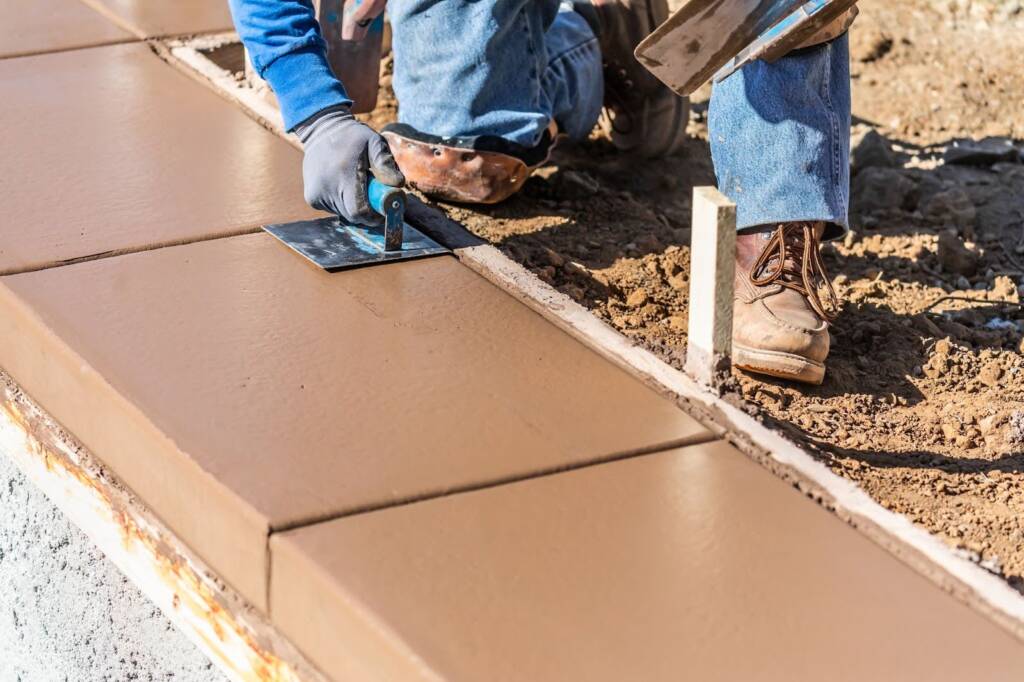
The installation process for pavers vs concrete also creates essential differences in performance. For concrete, contractors prepare and compact the base, set forms, and pour the mix into place before finishing the surface. Once it cures, you are left with a single solid slab that relies heavily on proper base work and control joints to manage cracking. Pavers require a similar base preparation, but instead of pouring, installers lay individual units on bedding sand and compact them into place. Joints between pavers are filled with sand, creating a surface that can flex slightly with freeze-thaw cycles or minor soil shifts. The method you choose affects not only how long the project takes but also how it will react to the environment over time.
Working Time and Weather For Concrete
Concrete has a limited working window and is sensitive to temperature, wind, and moisture. Good timing and experienced crews are critical to achieving an even, durable finish.
Base Preparation For Pavers
Although pavers can better tolerate minor movement, they still depend on a well-compacted base. Proper grading and edge restraints keep the pattern tight and level as the years go by.
Durability and Maintenance When Comparing Pavers vs Concrete
When you compare pavers vs concrete in terms of durability, it helps to think about how each material handles stress and repairs. A well-installed concrete slab can last many years, but it is prone to cracking from ground movement, heavy loads, or freeze-thaw cycles, and those cracks are difficult to fix invisibly. Pavers may shift slightly over time, but individual units can be lifted, the base adjusted, and the same pieces reinstalled, often without noticeable patchwork. Routine maintenance for both includes cleaning and occasional sealing, but pavers typically make targeted fixes easier if tree roots or settling create uneven spots. The way you expect to use the space and the conditions on your property will influence which kind of maintenance feels more manageable.
Handling Cracks In Concrete
Hairline cracks are common even in well-poured slabs, and larger cracks can detract from the appearance or create tripping hazards. Repairs may stand out, even when done carefully.
Re-Leveling Individual Pavers
If a section of pavers sinks or rises, installers can adjust just that area. This flexibility helps the surface stay safer and more attractive without replacing the whole project.
Cost Considerations For Pavers vs Concrete Projects
Budget often plays a major role in the choice between pavers vs concrete. At first glance, a poured concrete slab is usually less expensive in terms of materials and labor, especially for simple shapes and large areas. Pavers tend to cost more upfront because each unit is manufactured individually, and the installation is more labor-intensive. However, the story doesn’t end with the initial price. Over the life of the project, more straightforward repairs and the ability to replace small sections can make paver surfaces more cost-effective in some situations. Concrete may carry lower upfront costs, but could require more extensive work if cracking or significant damage occurs. Looking at both the immediate expense and the long-term financial picture helps you make a more informed decision.
Balancing Upfront Budget and Future Repairs
If your budget is tight now but you anticipate future settling or heavy use, pavers might be worth the higher initial investment. They offer flexibility that can reduce repair costs later.
When Concrete Offers The Best Value
For straightforward driveways, garage slabs, or utility areas, concrete’s lower price and simple appearance can be ideal. In these cases, function may matter more than detailed design.
How To Decide Between Pavers vs Concrete For Your Home
Ultimately, deciding between pavers vs concrete comes down to your priorities for style, budget, and long-term performance. If you want intricate patterns, rich textures, and easier spot repairs, pavers offer an appealing combination of beauty and practicality. If you prefer a clean, continuous surface and want to keep initial costs down, a well-installed concrete slab may fit your goals better. It also helps to consider your climate, soil conditions, and how you plan to use the space from day to day. Talking with a qualified contractor about these factors—and asking to see examples of both options—can clarify which material is the better match. When you choose with a clear understanding of how pavers vs concrete differ, you’re more likely to end up with an outdoor area that looks great, performs well, and feels like a natural extension of your home.
Visit the MMM Concrete blog to learn more about the key differences between pavers and concrete.