Designing a new patio or walkway is exciting, but staring at rows of different concrete paver styles can quickly become overwhelming. You’ll see smooth, textured, tumbled, and modern options in every color from soft gray to warm tan and charcoal. Choosing the right concrete pavers is about more than just what looks good on the shelf; it’s about how they perform under foot traffic, weather, and daily use. The right choice will complement your home, be comfortable to walk on, and hold up for years with minimal maintenance. By breaking the decision down into style, function, and installation needs, you can confidently choose concrete pavers that make your outdoor space look pulled together rather than pieced together.
Why Concrete Pavers Are A Smart Choice For Patios and Walkways
Before you compare designs, it helps to understand why concrete pavers are so popular for patios and walkways. Unlike a single poured slab, pavers are individual units that interlock to form a firm, flexible surface. This design helps distribute weight more evenly and makes it easier to repair small sections without tearing out an entire area. Concrete mixes can be shaped, textured, and colored in countless ways, giving you a wide range of styles at a more affordable price than many natural stone options. When installed on a properly prepared base, concrete pavers resist cracking, handle freeze-thaw cycles better than slab concrete, and create a durable, attractive surface for everyday use.
Matching Concrete Pavers To Your Outdoor Design Style
Once you know why you want them, the next step is matching concrete pavers to your home’s overall design style. Start by looking at the architecture of your house and any existing hardscape, like steps, retaining walls, or driveways. Sleek, large-format pavers often pair well with modern or contemporary homes, while tumbled or textured styles with irregular edges feel more at home in traditional or rustic settings. Color also matters; neutral grays and beiges blend easily, while richer browns or charcoal tones can create bold contrast. When you think about how the patio or walkway connects doors, garden beds, and gathering areas, you can choose a look that feels intentional rather than random.
Choosing Patterns For Flow and Safety
Laying concrete pavers in running bond, herringbone, or basketweave patterns can influence how people move through the space and how stable the surface feels. Some patterns offer extra interlock, which is helpful in high-traffic or driveway areas.
Coordinating Colors With Existing Features
Pulling color cues from your roof, trim, or nearby stonework helps your new patio or walkway feel like it belongs. Even a subtle undertone match can tie everything together visually.
Comparing Concrete Pavers By Size, Shape, and Thickness
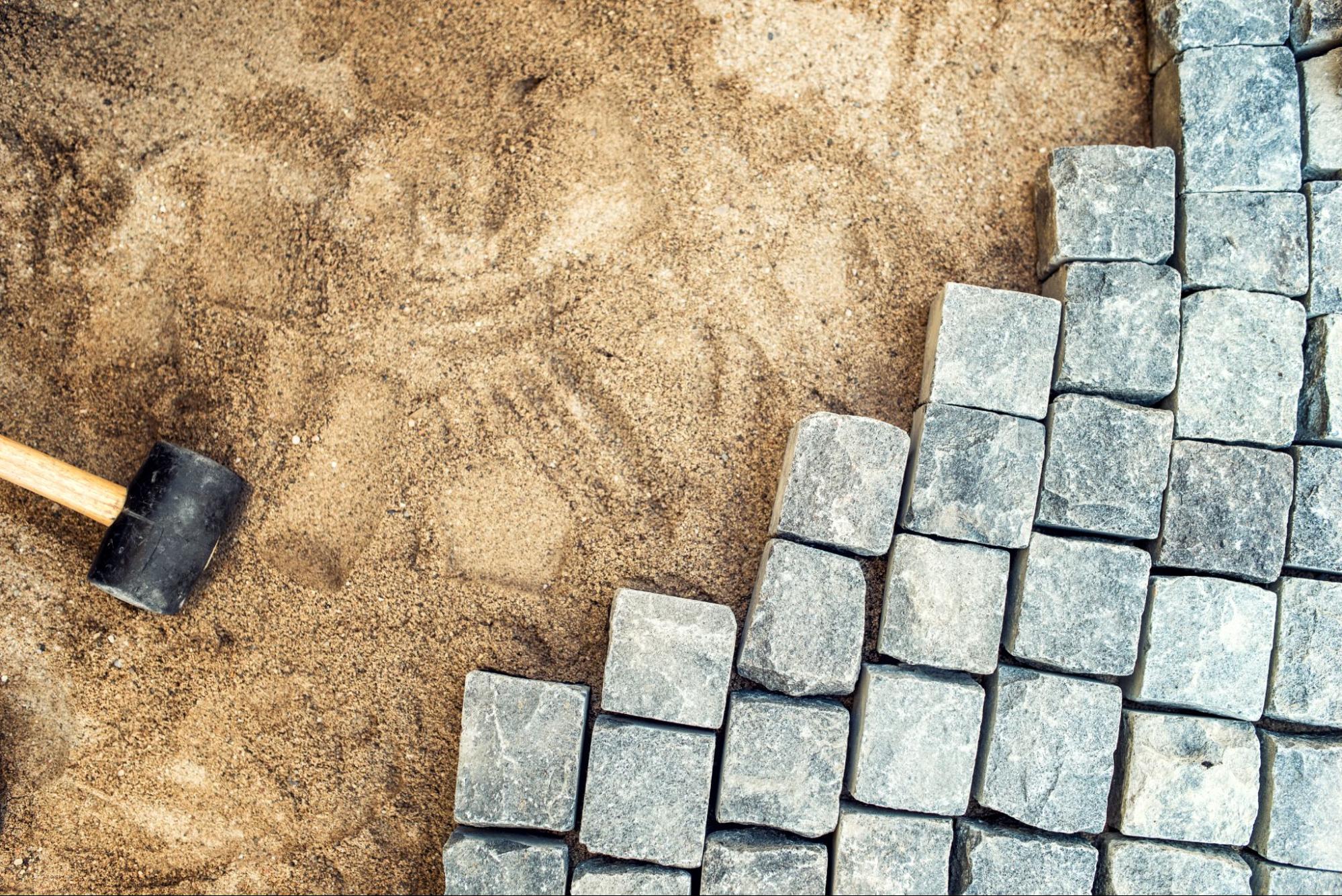
Beyond appearance, the size, shape, and thickness of concrete pavers play a big role in performance. Larger pavers with clean lines can create a more open, contemporary look, but they may require a firmer base to prevent shifting. Smaller units are easier to arrange in curved or detailed layouts and often provide more points of interlock, which boosts stability. Thickness matters too; standard patio and walkway pavers are usually thinner than those designed for driveways, which must support vehicle weight. Choosing pavers with the right dimensions for how you plan to use the area helps prevent settling, tripping hazards, and premature wear. Thinking ahead about furniture, foot traffic, and any equipment that might cross the surface will guide you toward the right type.
Preparing For Concrete Pavers Installation On Your Patio Or Walkway
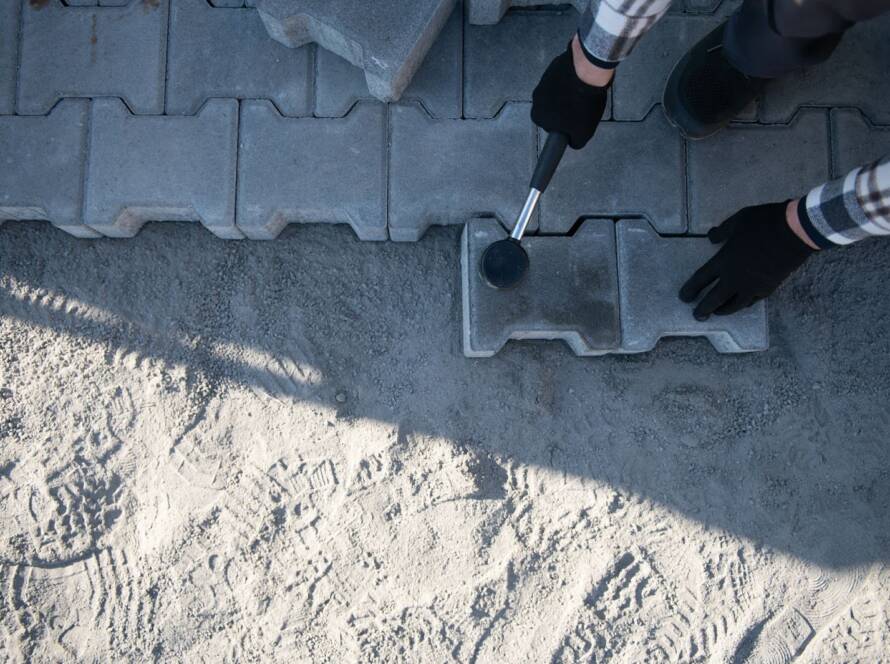
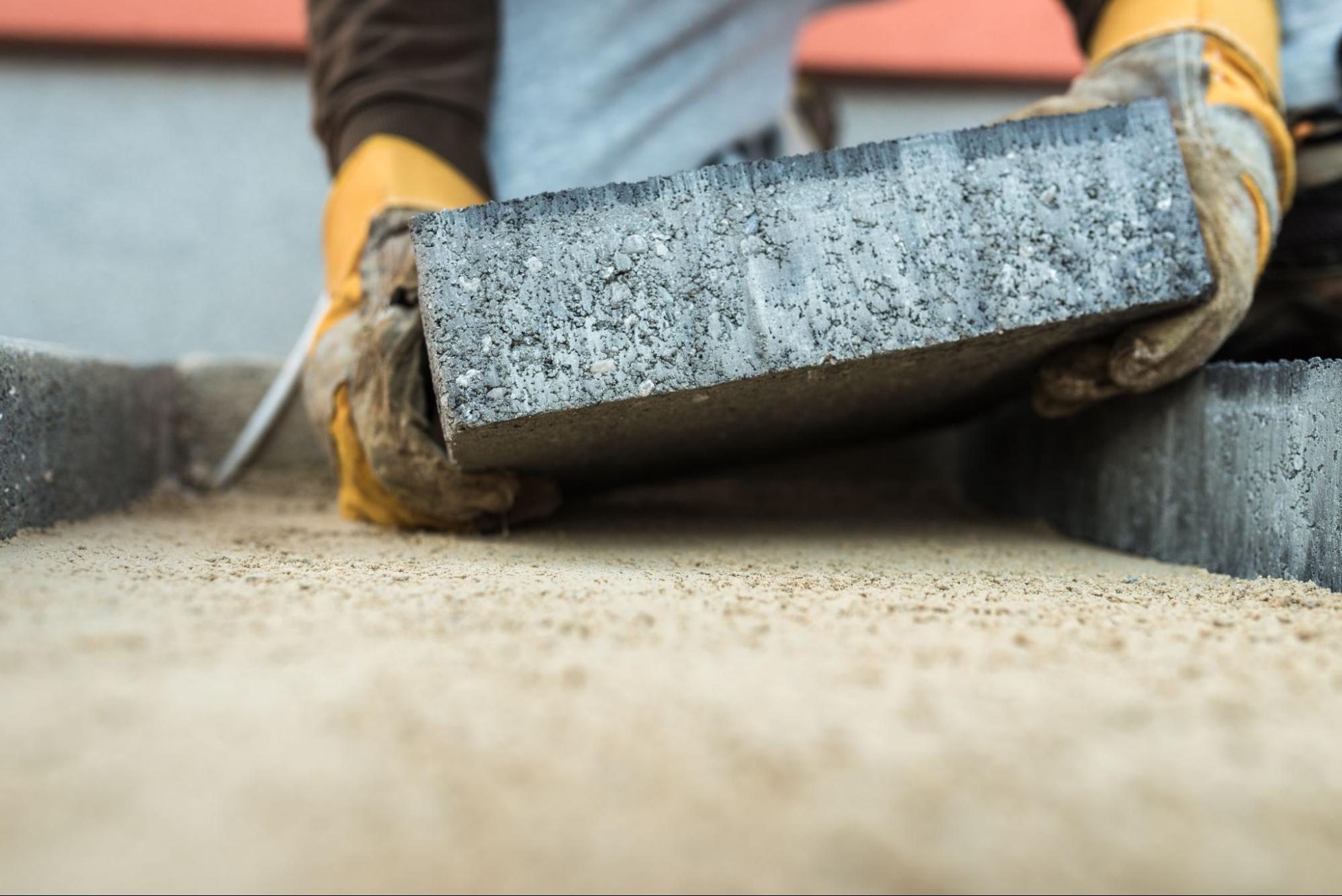
Even the best concrete pavers will not perform well if they are installed over a weak or uneven base. A good installer will excavate the area to the proper depth, remove soft soil, and replace it with compacted gravel and sand. This layered base supports the pavers, allows for drainage, and helps keep everything level over time. Edging along the sides of the patio or walkway keeps pavers from spreading outward and losing their shape. If you are planning a DIY project, it is worth spending extra time on base preparation and compaction, as this groundwork has a greater impact on longevity than any other part of the process.
Planning A Solid Base
A well-graded, compacted base allows water to drain away rather than pooling under concrete pavers. Proper compaction reduces the chances of sinking spots and keeps the surface more even.
Thinking About Drainage and Slope
Your patio or walkway should have a slight slope away from the house so rainwater flows off the surface. Planning drainage from the start helps protect both your pavers and your foundation.
Long-Term Care and Maintenance For Concrete Pavers
Choosing the right concrete pavers also means thinking about how much time you want to spend maintaining them. One of the advantages of paver systems is that individual units can be lifted and reset if settling occurs or if utilities need to be accessed underneath. Routine maintenance usually involves sweeping away debris, occasionally rinsing the surface, and refilling polymeric sand in the joints as needed. In some climates or high-traffic areas, you may also choose to seal concrete pavers to help protect against stains and enhance color. When you pick pavers with a texture and finish that fits your lifestyle, you can keep them looking good without constant upkeep.
Keeping Joints and Surfaces Clean
Regularly sweeping and rinsing your patio or walkway helps prevent weeds and moss from establishing in the joints. Clean surfaces also show off the pattern and color of concrete pavers more clearly.
When To Reseal Or Repair
If colors look dull or stains become hard to remove, it may be time to reseal the surface. Individual cracked or damaged pavers can be replaced without disturbing the entire area.
Budget, Value, and When To Get Expert Help With Concrete Pavers
Budget is always part of the conversation, and concrete pavers give you a lot of value for the cost when you plan carefully. You can often adjust choices like pattern complexity, paver size, or border details to fit your budget while still getting the overall look you want. For basic, small projects, an experienced DIYer might feel comfortable tackling the work, but professional installation is often worth the investment for larger patios, sloped yards, or intricate designs. A reputable contractor can recommend the right concrete pavers for your climate, soil conditions, and design goals, and they have the tools to properly prepare the base. In the long run, spending a bit more on proper planning and installation helps ensure that your patio or walkway feels solid underfoot and continues to add curb appeal for years to come.
Visit the MMM Concrete blog to learn more about choosing pavers for your patio or walkway.