
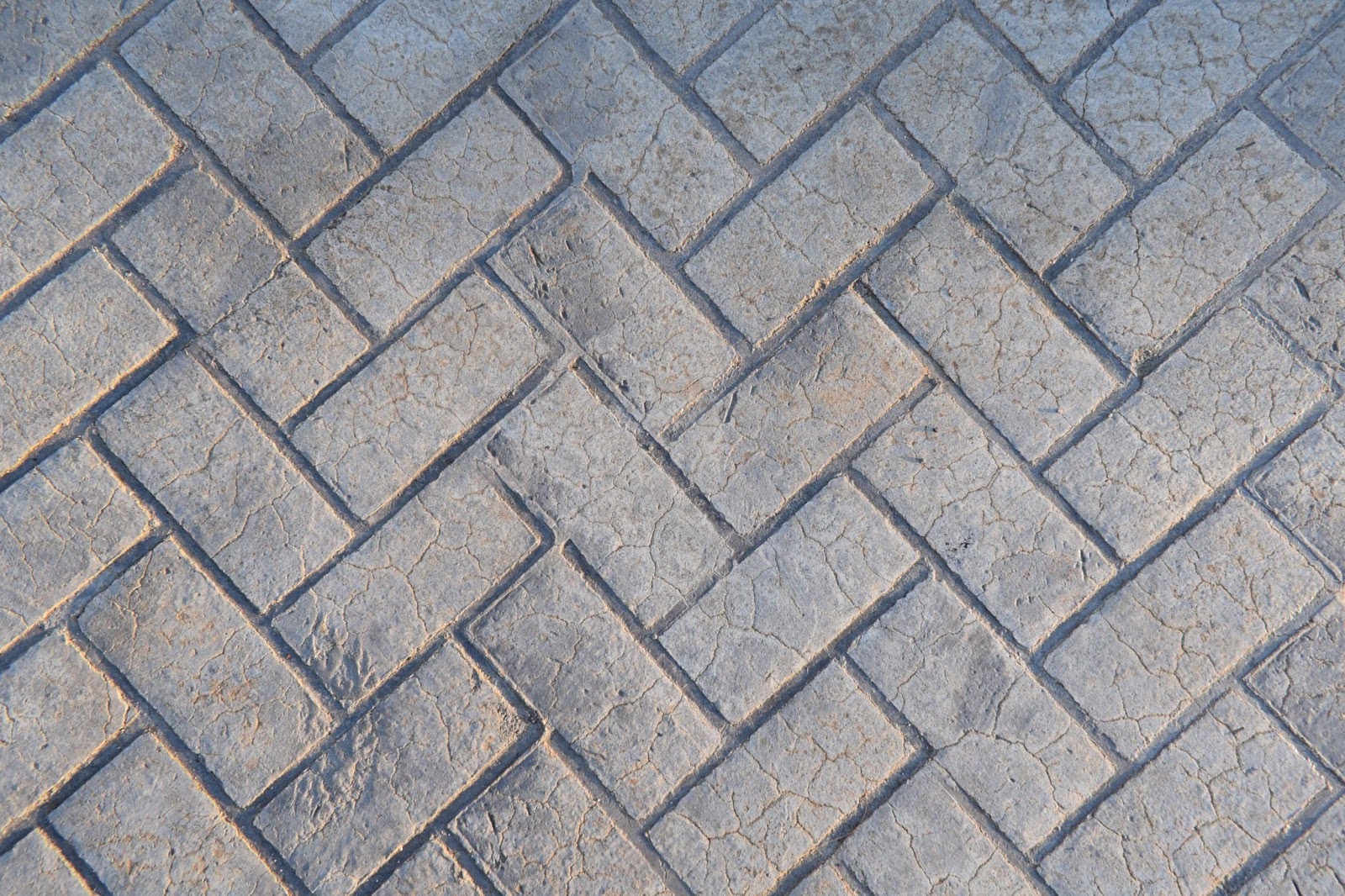
If you love the look of stone, brick, or pavers but not the price tag, stamped concrete might be exactly what you’re looking for. This decorative technique uses patterns, textures, and color to transform a standard concrete slab into something that looks much more high-end. From patios and pool decks to driveways and walkways, stamped concrete shows up in all kinds of outdoor spaces because it balances style, durability, and cost. For homeowners who are new to the idea, it can be hard to picture how it works or what to expect during installation. This beginner’s guide breaks down what stamped concrete is, how it’s installed, and how to decide if it’s a good fit for your next project.
What Stamped Concrete Is and How It Creates A Custom Look
Stamped concrete is regular concrete that has been poured, colored, and then imprinted with patterns and textures while it is still workable. Contractors use large rubber stamps—often modeled after real stone, tile, wood, or brick—to press designs into the surface. Color is usually added either throughout the mix or on the surface, and release agents help create the subtle shading that makes each project look more natural. The result is a single, solid slab that visually mimics individual masonry units without the same level of labor or materials. Because patterns and colors can be mixed and matched, stamped concrete gives you a surprising amount of creative control over how your finished space will look.
Stamped Concrete Design Options For Patios, Walkways, and More
One of the most significant advantages of stamped concrete is the wide range of design options available for outdoor living areas. You can choose patterns that look like flagstone, slate, cobblestone, brick, or even weathered wood planks, depending on the style of your home. Color hardeners and stains can be blended to create earthy, natural tones or bolder, more decorative finishes. Borders, medallions, and custom layouts allow you to highlight specific areas, such as dining spaces, fire pits, or entry paths. Whether your goal is to match an existing feature or completely reinvent your backyard, stamped concrete offers enough flexibility to bring that vision to life without needing multiple materials.
Popular Pattern Choices
Homeowners often gravitate toward stone and slate patterns for a timeless, upscale look. Brick and wood plank patterns are also common when you want a more traditional or rustic feel.
Coordinating Colors With Your Home Exterior
Contractors can blend colors to echo your home’s siding, trim, or roof. This helps stamped concrete feel like an intentional extension of your overall exterior design.
How Contractors Install Stamped Concrete Step By Step
Understanding the installation process for stamped concrete makes it easier to know what to expect when work begins. First, contractors prepare and compact the base, set forms, and pour the concrete mix to the correct depth and slope. Once the concrete starts to set but is still pliable, color hardeners and release agents are applied, and the stamping tools are pressed into the surface to create the pattern. Workers carefully overlap stamps to avoid visible seams and pay close attention to edges, corners, and transitions. After the pattern has been completed and the surface has cured, the slab is washed, detailed, and sealed to protect the finish and deepen the color. The whole process is time-sensitive, which is why stamped concrete is best left to experienced installers rather than attempted as a weekend DIY project.
Timing Is Critical
Contractors have a limited window of time to stamp before the surface hardens. Working too early or too late can lead to blurred impressions or shallow patterns.
Why Skilled Installers Matter
Experienced crews know how to read the concrete, adjust for weather, and handle complex layouts. Their expertise helps ensure a consistent pattern and long-lasting finish.
Pros and Cons Of Stamped Concrete Compared To Other Surfaces
Before committing to stamped concrete, it helps to weigh its benefits and trade-offs against other popular options like pavers or natural stone. On the plus side, stamped concrete typically costs less than installing individual pavers or stone pieces because it uses fewer materials and requires less labor. The solid slab reduces the risk of weeds popping up between joints and keeps surfaces more stable over time. However, stamped concrete can be more prone to cracking if the base is not prepared correctly or if expansion joints are ignored. Repairs can also be more challenging because patches need to match the existing pattern and color. For many homeowners, the combination of aesthetic appeal, affordability, and overall durability still makes stamped concrete an attractive choice—especially when installed by a professional and properly maintained.
Maintenance Tips To Help Stamped Concrete Last Longer
Like any outdoor surface, stamped concrete needs some basic maintenance to keep it looking its best over the years. Regularly sweeping or rinsing away dirt, leaves, and debris prevents staining and keeps the pattern visible. Occasional washing with a mild cleaner can help remove grime or mildew, especially in shaded or damp areas. Most contractors recommend resealing stamped concrete every few years, depending on climate and foot traffic, to refresh the color and protect the surface from moisture and UV damage. If small cracks or chips appear, addressing them early helps prevent bigger issues from developing. With a simple routine in place, you can preserve both the appearance and performance of your stamped concrete for a long time.
Cleaning Practices
Gentle cleaning with a hose or low-pressure washer is usually enough for routine care. Avoid harsh chemicals or overly aggressive pressure that can damage the sealer or texture.
Resealing Schedules and Signs
When the surface looks dull, feels dry, or becomes harder to clean, it may be time to reseal. A fresh coat of sealer revives color and provides a renewed layer of protection.
Is Stamped Concrete The Right Choice For Your Home Project
Deciding if stamped concrete is right for your home comes down to budget, style preferences, and how you plan to use the space. If you want the look of stone or pavers without the higher material and labor costs, stamped concrete can provide a similar visual impact at a more affordable price. It works especially well for larger areas like patios, pool decks, and driveways, where installing individual pieces would be more expensive and time-consuming. Just remember that proper installation and ongoing maintenance are key to long-term performance, so partnering with a reputable contractor is essential. When you balance the pros, cons, and care requirements, stamped concrete often stands out as a practical way to upgrade your outdoor living areas with a custom, decorative finish.
Visit the MMM Concrete blog to learn more about the basics of stamped concrete.