
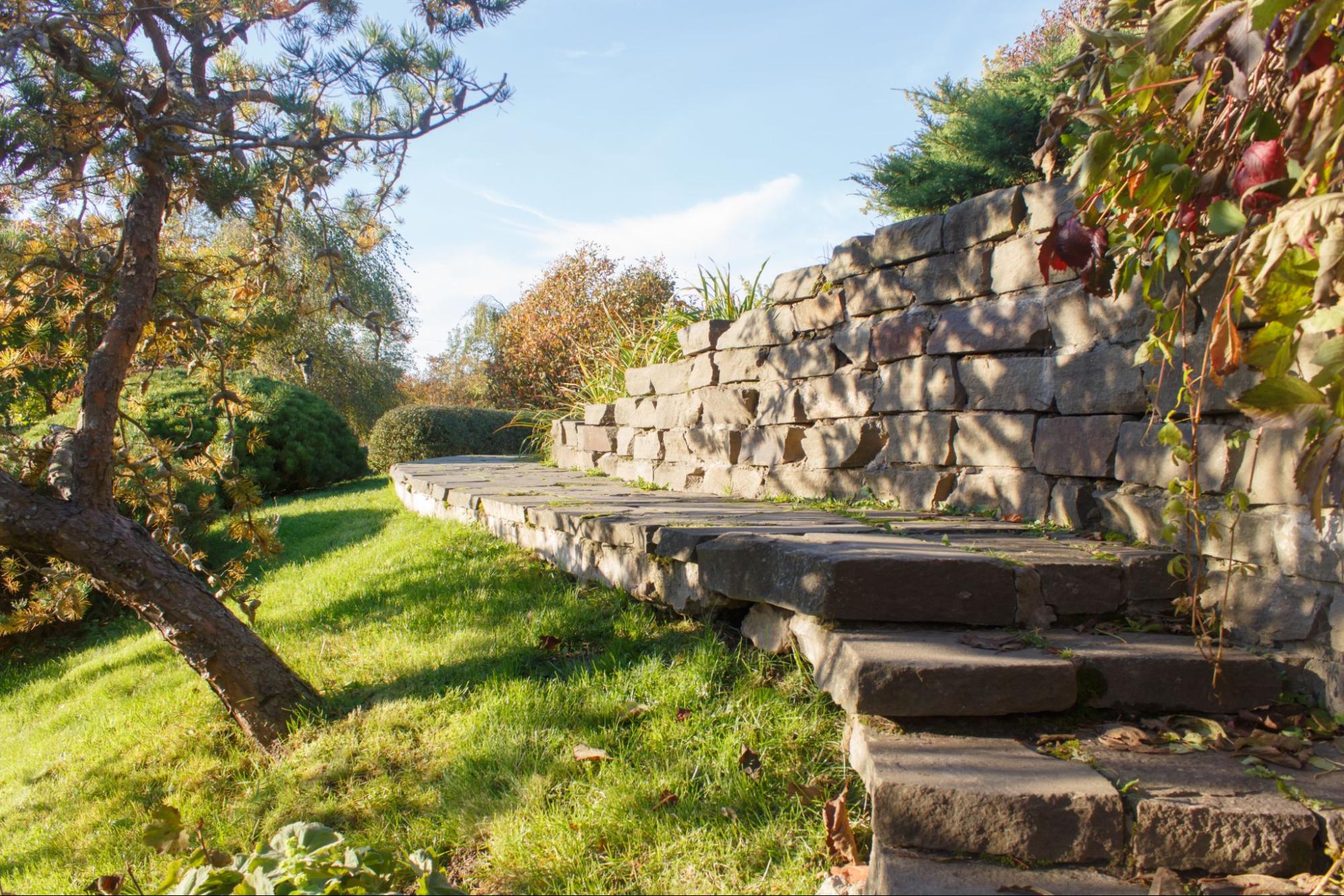
Sloped yards can be beautiful, but they are rarely simple to use or maintain. Uneven ground makes it difficult to create seating areas, play spaces, or tidy garden beds, and heavy rain can quickly wash soil downhill. That is why many homeowners turn to concrete retaining walls to bring structure, safety, and usable space to challenging landscapes. Unlike temporary fixes or purely decorative solutions, these walls are engineered to hold back soil, manage drainage, and create level terraces that stay stable over the long term. When combined with features like concrete steps, lighting, and plantings, they can transform a steep yard into a layered outdoor retreat that looks purposeful instead of problematic.
How Concrete Retaining Walls Stabilize Slopes and Prevent Erosion
The primary job of concrete retaining walls is to resist the lateral pressure of soil that would otherwise slide or erode down a slope. Over time, gravity, rain, and irrigation water all work together to move soil, especially on steep or poorly compacted ground. A properly designed retaining wall uses mass, reinforcement, and drainage to counter that movement and keep everything in place. By creating solid, engineered barriers, you reduce the risk of minor washouts turning into larger slope failures that threaten patios, fences, or even building foundations. This structural stability is one of the biggest reasons concrete retaining walls are considered more reliable than many lightweight, stacked systems.
Why Concrete Retaining Walls Offer Superior Strength Compared To Other Systems
When comparing different methods for holding back soil, the strength of concrete retaining walls quickly stands out. Segmental block walls and timber systems may work for shorter heights or lighter loads, but they depend heavily on careful stacking and anchoring. Cast-in-place concrete or reinforced concrete block walls can handle greater heights, heavier loads, and more complex site conditions with confidence. Steel reinforcement, properly sized footings, and carefully placed drainage components all work together to create a single, unified structure. That level of robustness is fundamental in sloped yards where saturated soil and freeze-thaw cycles can put constant stress on any retaining system.
Handling Heavy Loads With Concrete Retaining Walls
Concrete structures can be engineered to support driveways, parking areas, or upper-level patios above the wall. This makes them ideal when your slope is carrying more than just garden soil.
Performance In Challenging Weather Conditions
Well-built concrete retaining walls stand up to extreme rain, temperature swings, and seasonal changes without shifting as easily as lighter, unreinforced materials. That reliability protects the yard below.
Design Flexibility Of Concrete Retaining Walls In Sloped Yards
Although they are known for strength, concrete retaining walls also offer surprising design flexibility. Contractors can build straight walls for a crisp, modern look or curve the wall to follow natural contours and soften the overall appearance. Different finishes, such as smooth, brushed, or textured surfaces, allow you to coordinate with existing hardscape or architectural details. Staining, integral color, or facing materials like stone veneer can further customize the look. By combining multiple walls at different heights, you can carve out terraces, plant beds, and seating areas that turn the slope into a series of welcoming outdoor rooms rather than one steep, unusable hillside.
Pairing Walls With Paths and Terraces
Concrete retaining walls can work alongside paths, landings, and viewing areas to guide how people move through the yard. Each level can serve a different purpose, from dining to gardening.
Integrating Seating and Lighting
Built-in seating and recessed lighting can be incorporated directly into the wall design. These additions make the space more comfortable and extend its use into the evening hours.
Concrete Retaining Walls and Drainage: Managing Water The Right Way
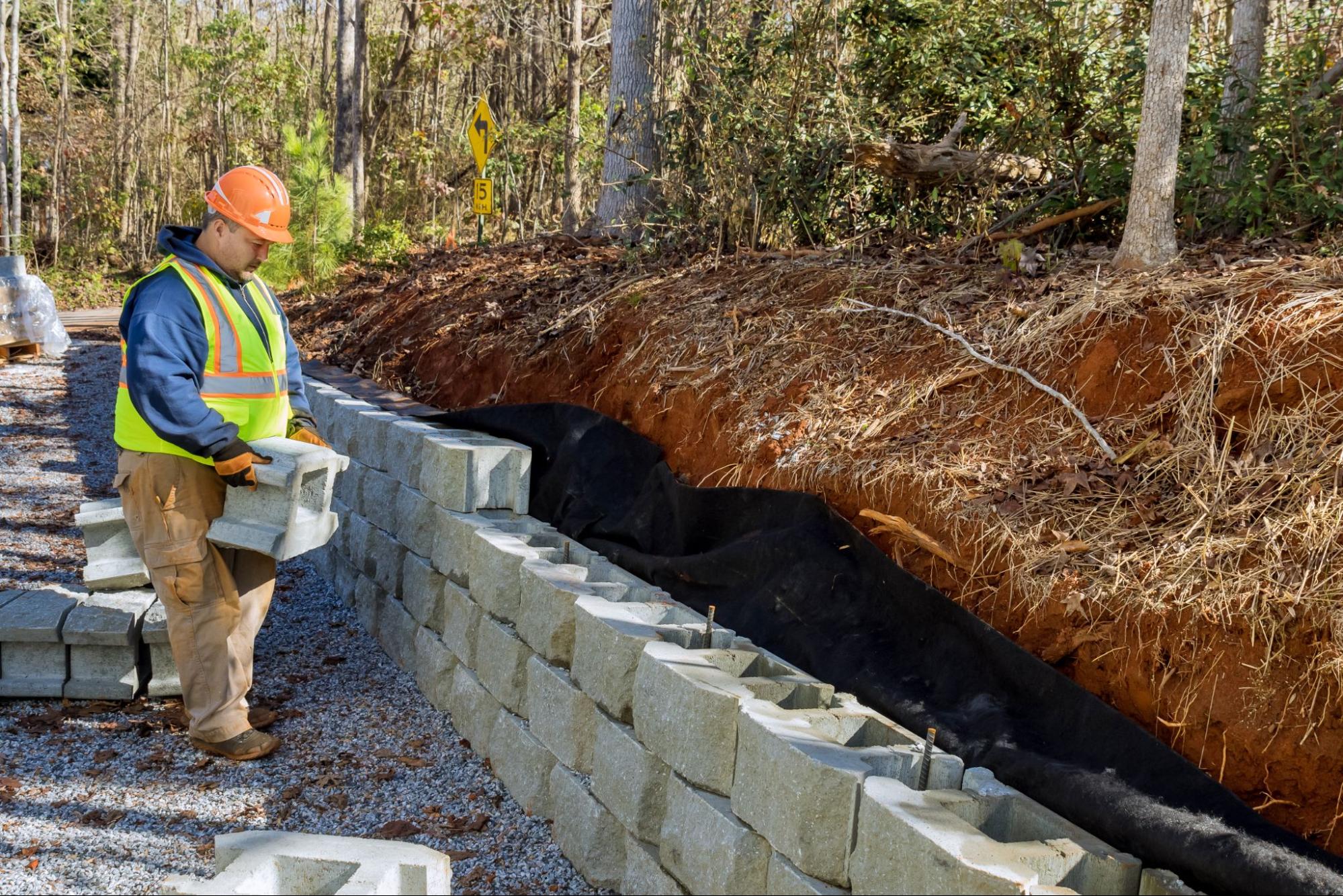
One of the most critical differences between concrete retaining walls and more basic solutions is how they handle water. Poor drainage behind any wall can create hydrostatic pressure that pushes against the structure and can eventually cause bowing, cracking, or failure. Properly constructed concrete retaining walls include drainage components, such as perforated pipes, gravel backfill, and weep holes, that provide a path for water to escape. This controlled movement of water reduces pressure and prevents soil behind the wall from becoming oversaturated. When drainage is designed and installed correctly from the start, you are far less likely to see costly problems later after a heavy storm or wet season.
Preventing Pressure Build-Up Behind The Wall
By providing a clear path for water to move away, drainage systems reduce the constant force pushing against concrete retaining walls. Less pressure means longer-lasting performance.
Protecting Adjacent Structures and Landscapes
Good drainage helps keep nearby patios, driveways, and plantings from being damaged by pooling water. It also minimizes muddy areas and surface erosion below the wall.
Long-Term Maintenance Advantages Of Concrete Retaining Walls
Once they are installed, concrete retaining walls typically require less long-term maintenance than many other retaining options. Timber walls can rot, warp, or attract insects over time, and stacked stone or block systems may need periodic re-leveling or replacement of individual units. Concrete, by contrast, is highly resistant to moisture, insects, and decay, especially when properly reinforced and finished. Most of the ongoing care involves occasional cleaning and periodic inspection for minor cracks or surface wear. If small issues do appear, addressing them early—such as sealing a hairline crack or improving drainage—helps preserve the wall’s integrity and appearance for decades. That durability is a primary reason concrete remains a go-to choice for serious grade changes.
Simple Cleaning and Surface Care
Rinsing away dirt, moss, or stains helps keep the wall looking sharp. Depending on the finish, mild cleaners and low-pressure washing are often all that is needed.
Monitoring For Minor Shifts Or Cracks
Regular visual checks let you catch small changes before they become structural concerns. Quick repairs can extend the life of concrete retaining walls and protect your investment.
How Concrete Retaining Walls Increase Usable Yard Space and Property Value
For many homeowners, the most noticeable benefit of concrete retaining walls is the way they turn steep, awkward yards into functional outdoor spaces. By creating flat terraces, you gain room for patios, play areas, gardens, or even parking that simply did not exist before. This added usability makes daily life more enjoyable and can also improve curb appeal and resale value. Buyers often see well-built retaining walls as a sign that the property has been thoughtfully planned and engineered, especially on challenging lots. When you combine increased square footage of usable yard with the confidence of long-term stability, concrete retaining walls stand out as one of the most reliable investments you can make in a sloped property.
Visit the MMM Concrete blog to learn more about what makes concrete retaining walls ideal for sloped yards.