When you’re planning a new build or a major renovation, it’s easy to assume that one professional can handle everything from start to finish. In reality, different parts of a project often require different types of expertise, especially when it comes to the foundation. That’s where the distinction between concrete foundation contractors and general contractors really matters. A general contractor oversees the big picture, coordinates trades, and manages timelines, while foundation specialists focus on one critical job: making sure the structure sits on a solid, properly designed base. Understanding how these roles differ helps you decide who should be responsible for what, so your project starts strong—literally and structurally.
What Concrete Foundation Contractors Do Compared To General Contractors
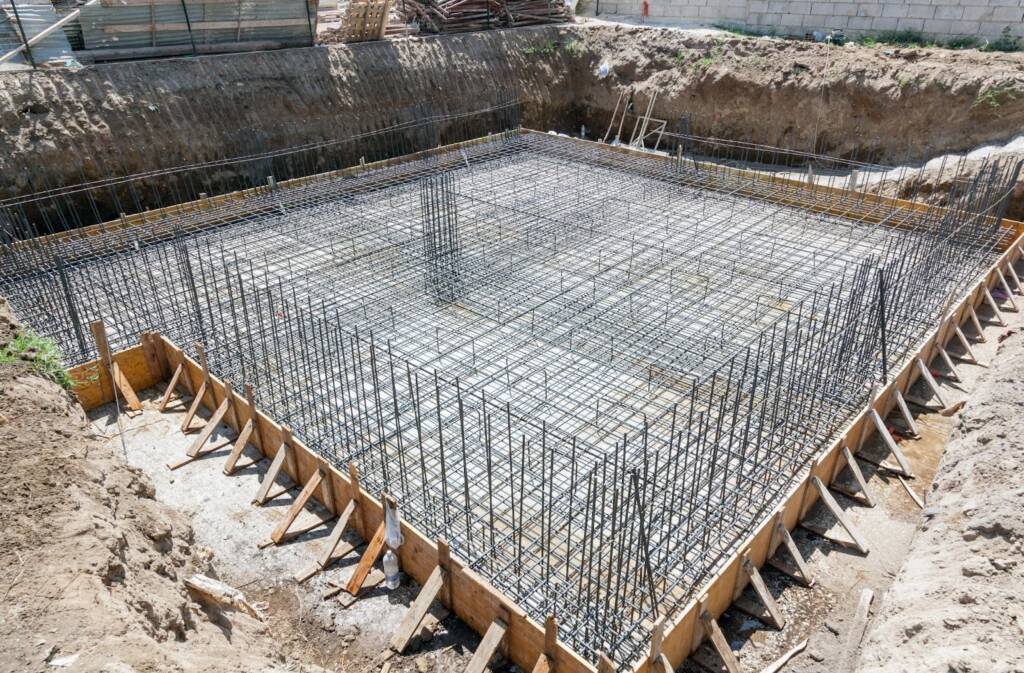
Concrete foundation contractors concentrate almost entirely on designing, forming, reinforcing, and pouring the base that supports your home or building. They understand soil conditions, load requirements, drainage, and local code specifications in detail because their work has to handle every pound your structure will ever carry. A general contractor, on the other hand, coordinates the overall project, hires and schedules subcontractors, and ensures that framing, roofing, electrical, plumbing, and finishing work align. While some general contractors may have hands-on concrete experience, many rely on foundation specialists to handle this highly technical phase. When each professional focuses on what they do best, you benefit from both structural reliability and smoother project management.
A Dedicated Specialty
For concrete foundation contractors, everyday work revolves around footings, slabs, and walls. That repetition builds a level of precision and problem-solving that is hard to match with occasional foundation projects.
General Contractors As Project Orchestrators
General contractors keep the big picture in view, making sure the foundation schedule lines up with excavation, framing, and inspections. Their role is to coordinate, not to replace specialized expertise.
Why Concrete Foundation Contractors Focus So Heavily On Structure
The main reason concrete foundation contractors exist as a separate specialty is that mistakes at this stage are difficult and expensive to fix later. Everything from minor settling to severe cracking can be traced back to issues with soil preparation, rebar placement, concrete mix, or curing conditions. These contractors spend time evaluating site conditions, confirming that the design matches load demands, and making sure moisture management is addressed correctly. They also stay current on local codes and engineering requirements that affect footing size, frost depth, anchor placements, and more. By paying so much attention to structure and support, they help prevent issues that could manifest as stuck doors, uneven floors, or even structural damage years down the line.
How Concrete Foundation Contractors Collaborate With General Contractors
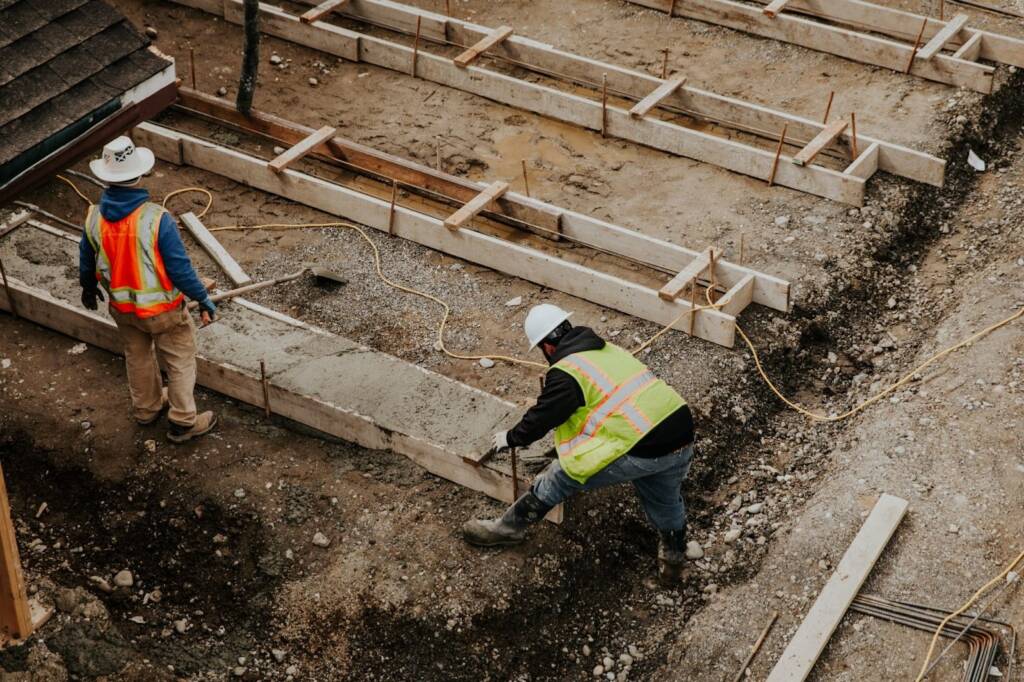
On most larger projects, concrete foundation contractors and general contractors work side by side rather than in competition. The general contractor typically brings the foundation specialist into the project early, sharing plans, timelines, and engineering details. Once the foundation team is on-site, they handle layout, forming, reinforcement, and pouring while the general contractor keeps an eye on sequencing and inspections. After the foundation is complete and cured, the general contractor’s framing crews and other trades move in to continue building on that base. This collaboration ensures that transitions between phases are smooth and that any site-specific challenges—such as unexpected soil conditions—are addressed promptly with input from both sides.
Communication Around Plans and Changes
Clear communication between the two roles prevents costly mistakes. When plans change, concrete foundation contractors can adjust forms or reinforcement before concrete is poured.
Scheduling Around Weather and Curing
General contractors rely on foundation specialists to set realistic timelines around curing, weather delays, and inspection requirements. That coordination helps keep the entire project on track.
Choosing Between Concrete Foundation Contractors and General Contractors
When you’re deciding whom to hire, the key question is not “either/or” but “who does what” on your project. For a small patio, sidewalk, or minor repair, you might feel comfortable working directly with a general contractor who has a trusted crew or long-term masonry partner. For new homes, additions, garages, or any structure with significant weight, bringing in concrete foundation contractors is usually the safer choice. These specialists can work under the umbrella of a general contractor or contract directly with you, depending on how you prefer to manage the project. The proper setup is the one that gives you both high-level coordination and detailed technical expertise where it matters most.
Cost, Value, and Risk Management With Concrete Foundation Contractors
Homeowners sometimes worry that hiring concrete foundation contractors in addition to a general contractor will automatically increase costs. In some cases, the line item for foundation work may look higher, but you are also buying reduced risk and fewer surprises. Specialists can spot potential issues early, recommend the appropriate footing sizes, drainage solutions, and reinforcement, and help avoid callbacks or structural repairs later. General contractors benefit as well because fewer foundation-related problems mean fewer schedule disruptions and warranty claims. When you view foundation work as an investment in long-term stability rather than a place to cut corners, it becomes clear why dedicated contractors can actually protect your budget over the life of the building.
Avoiding Expensive Structural Repairs Later
Fixing foundation problems after walls, finishes, and utilities are in place is far more disruptive and costly. Working with specialists early reduces the odds of major structural corrections.
Protecting Overall Project Timelines
Stable, properly constructed foundations help prevent delays caused by inspections, rework, or safety concerns. That stability keeps other trades on track.
Questions To Ask Concrete Foundation Contractors and General Contractors
If you are interviewing both concrete foundation contractors and general contractors, asking good questions can clarify roles and responsibilities. You might ask the general contractor whether they use in-house concrete crews or partner with outside specialists, and how they coordinate inspections and engineering approvals. With foundation contractors, it is helpful to ask about their experience with similar projects, the types of foundations they install most often, and how they handle drainage, waterproofing, and soil challenges. You can also ask each professional how they communicate changes, share updates, and confirm that your foundation meets local codes and engineering specs. When everyone’s responsibilities are clearly defined from the beginning, you are more likely to end up with a strong, code-compliant foundation and a smoother construction experience.
Visit the MMM Concrete blog to learn more about what sets a concrete foundation contractor apart.