

Every successful project begins with clear expectations. When you partner with a concrete company, you’re hiring technical expertise, heavy equipment, and a process that turns design ideas into durable structures. From the first phone call through curing, cleanup, and warranties, understanding each phase helps you budget realistically, plan your schedule, and make confident decisions.
Concrete Company Discovery and Initial Contact
Your journey starts with a brief conversation about goals, dimensions, site conditions, and timeline. The team will ask for addresses, reference photos, and any drawings you have, then propose a window for an on-site assessment so they can verify details in real conditions.
Sharing Your Vision Clearly
Bring inspiration photos and rough measurements so the estimator can translate your goals into practical options. Clear inputs now reduce change orders later.
Early Budget and Timeline Signals
Expect a preliminary price range and scheduling outlook during this phase. It won’t be final yet, but it frames scope and feasibility.
What a Concrete Company Covers During the On-Site Assessment
The site visit confirms access for trucks, soil stability, drainage, utilities, and any obstacles that affect excavation and forming. Elevations are checked to ensure water moves away from structures and that the finished surface ties neatly into surrounding grades.
Measuring Twice to Pour Once
Accurate staking and elevations protect you from puddling and trip edges. The crew will flag conflicts so you can resolve them before forms go in.
Code and Utility Considerations
Locates are requested for gas, electric, and water lines where needed. The team also notes slab thickness, reinforcements, and joints that local codes may require.
Concrete Company Proposals and Transparent Pricing
After the assessment, you’ll receive a written proposal that spells out the scope, square footage, thickness, reinforcement type, mix design, finishes, joining plan, and cleanup. Look for inclusions and exclusions, the payment schedule, and how unforeseen conditions—such as buried debris—are handled. Transparent proposals make apples-to-apples comparisons possible and reduce surprises when work begins.
H2: Permits, Codes, and How a Concrete Company Keeps You Compliant
Many municipalities require permits for driveways, sidewalks, and structural slabs. A qualified contractor will advise whether your project needs a permit, submit drawings if required, and schedule inspections at the footing, reinforcement, and final stages. Compliance is more than paperwork; it protects resale value and ensures you meet setback, thickness, and accessibility rules that keep your project legal and safe.
H2: Scheduling and Pre-Pour Prep With Your Concrete Company
Once approved, your contractor sets a start date and orders materials to match the mix, strength, and finish you selected. Pre-pour work includes excavation, base compaction, formwork, moisture barriers, reinforcement placement, and final checks to ensure the pour is efficient and predictable.
Why Base and Forms Matter
A compacted base prevents settling while well-built forms define edges and elevations. Getting these right is the foundation for a crack-resistant, attractive slab.
Reinforcement and Joints
Rebar or wire mesh distributes loads and helps control cracking. Control joints are strategically laid out to guide normal shrinkage where it is least visible.
How a Concrete Company Manages The Pour and Finish
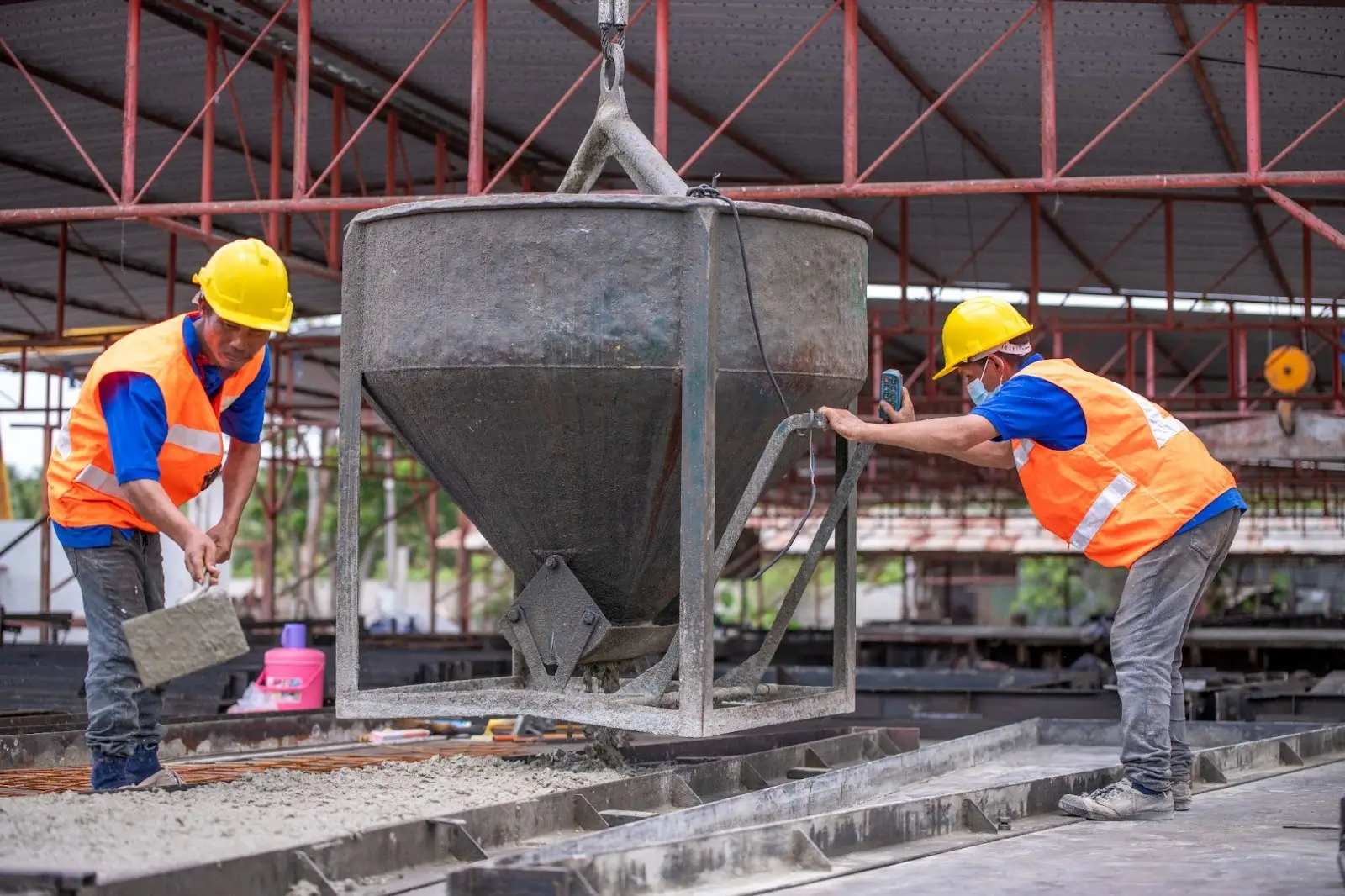
On pour day, the crew sequences trucks, places concrete, consolidates, and screeds to elevation before the surface is floated and troweled. For decorative work, they apply stamps, integral color, stains, or broom finishes at the proper stage so patterns are crisp and traction is safe.
Timing Is Everything
Temperature, wind, and humidity change how fast concrete sets. Skilled crews adjust the finishing cadence so edges don’t dry too quickly and surfaces remain uniform.
Drainage and Edge Details
Subtle slopes move water away from structures, and clean edges add longevity and curb appeal. The crew will double-check these details before the surface locks in.
Concrete Company Cure Times, Protection, and Early Use
Concrete gains strength through hydration, not drying, and proper curing dramatically affects lifespan. Light foot traffic is often possible after a day or two, but vehicles, heavy planters, and de-icers should wait until strength targets are reached, which can take several days to a few weeks, depending on mix and weather. Your contractor may apply curing compounds or recommend wet curing to slow moisture loss and reduce the risk of early cracking.
Punch List, Warranty, and Your Concrete Company’s Follow-Through
After forms are removed and the site is cleaned, you and the supervisor will review joints, edges, finish consistency, and any marks that need touch-up. The contractor addresses punch-list items and provides warranty terms covering workmanship and materials within reasonable limits. Keep copies of mix tickets, curing instructions, and sealant recommendations so future maintenance follows the original specs.
Long-Term Care Tips From a Concrete Company You Can Trust
Durability isn’t automatic; simple habits support it. Annual cleaning, periodic sealing, good drainage maintenance, and avoiding harsh de-icers extend appearance and performance for years. When small cracks appear from regular movement, sealing them promptly keeps water and debris out so they don’t widen with freeze-thaw cycles.
Smart Seasonal Maintenance
In spring, remove winter grit and inspect joints. Before winter, seal and ensure downspouts don’t dump water onto slabs.
Friendly Use Practices
Use plastic shovels or rubber blade edges instead of metal tools. Avoid parking heavy loads on edges where support is weakest.
Concrete Company Choices for Finishes and Mix Designs
Your options range from broom-and-trowel finishes to exposed aggregate, stamping, and color systems. Mix designs can be tailored for early strength, freeze-thaw resilience, fiber reinforcement, or reduced permeability to match climate and use. A good estimator will match finish and mix to your budget and the way you plan to use the surface day to day.
Communication Standards You Can Expect From a Concrete Company
Clear communication is as essential as craft. Expect schedule updates when weather shifts, heads-up notices about noisy phases, and guidance on when you can walk, wash, or seal the surface. When you know who your point of contact is and how to reach them quickly, issues get solved before they become delays.
Change Management Without Chaos
If the scope changes mid-project, you should receive a written change order detailing the pricing and schedule impacts. Documentation keeps everyone aligned and avoids surprises.
Photos and Status Check-Ins
Progress photos and quick summaries help you track milestones. This is especially helpful if you’re coordinating other trades or are away during work hours.
How a Concrete Company Balances Quality, Safety, and Speed
At completion, you should receive care instructions, recommended sealant intervals, and contact details for warranty claims or future additions. If the project is part of a larger landscape or construction plan, the team can suggest sequencing for adjoining work so edges aren’t damaged and slopes remain correct. With paperwork in hand and a clear maintenance plan, you can enjoy the new surface with confidence.
Visit the MMM Concrete blog to learn more about what concrete companies can do for you.