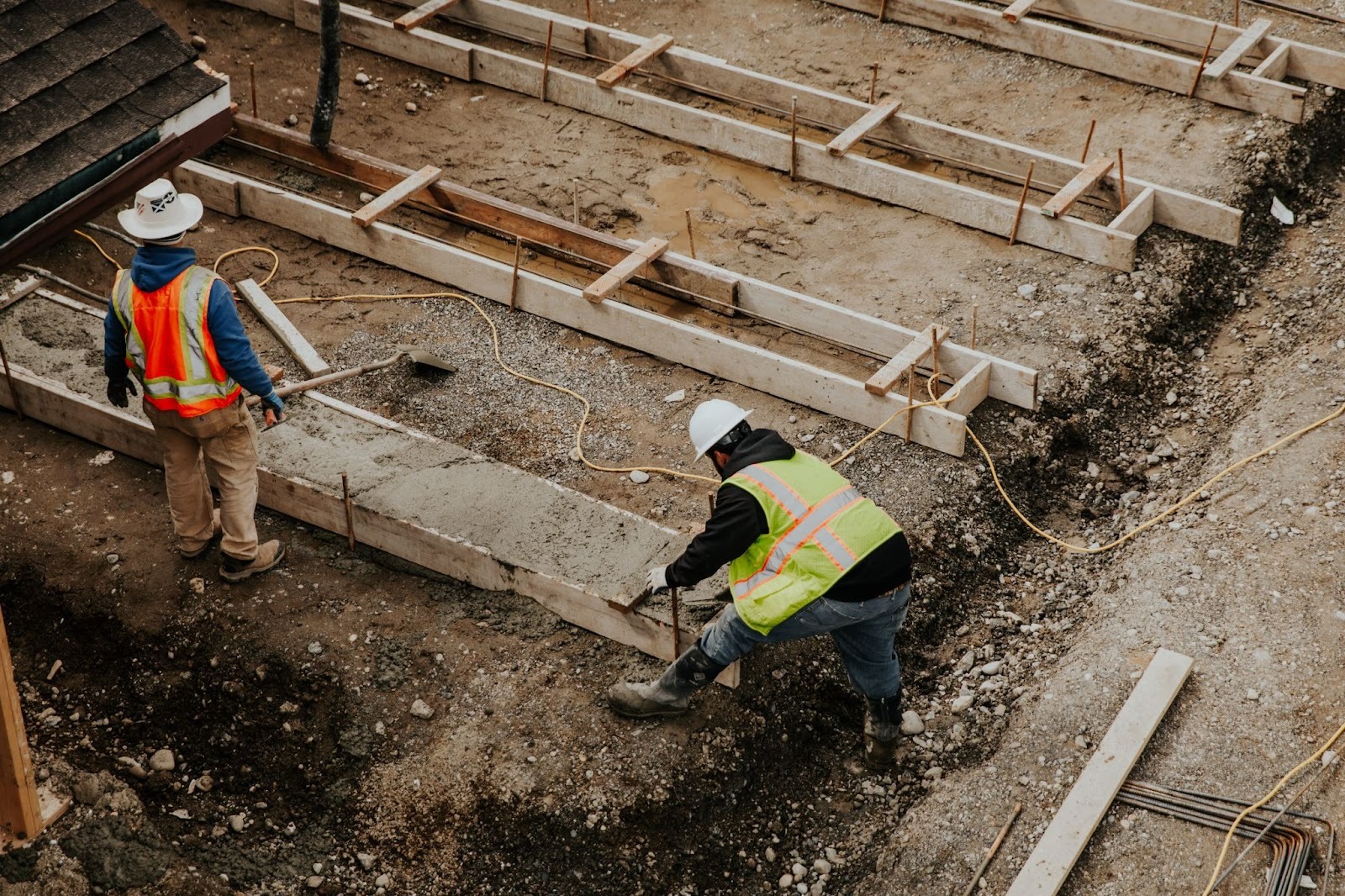
A building is only as durable as the ground interface that supports it. A firm, concrete foundation distributes loads safely into the soil, resists movement from moisture and temperature swings, and protects the structure from differential settlement that can distort framing, crack finishes, and compromise mechanical systems. Understanding how design, materials, site prep, and maintenance work together helps you evaluate bids, ask better questions, and safeguard your investment for decades.
Concrete Foundation As The First Line Of Structural Safety
Think of the foundation as the translator between your house and the earth below. It converts variable, shifting forces—weight, wind, hydrostatic pressure, and even seismic energy—into controlled, predictable reactions that the soil can carry without excessive movement. When soil properties, footing size, reinforcement, and drainage align, the whole structure above stays plumb, square, and quiet.
How Loads Move Through a Concrete Foundation To The Ground
Loads travel from the roof to the walls to the footings, concentrating at points such as columns and spreading under continuous walls. Good design identifies these paths, sizes elements to keep stresses low, and allows small movements at planned joints instead of random cracks. When the load path is clear and consistent, finishes last longer, and doors keep working as intended.
Load Path Basics
Dead and live loads stack and funnel to bearing locations. Aligning beams, posts, and footings reduces torsion and twisting that can cause concrete to fracture.
Soil-Bearing Capacity
Clays, silts, and sands have different weights. Matching footing width and depth to the tested soil capacity prevents overstress and settlement.
Differential Settlement Risks
Uneven movement across the footprint strains framing. Proper compaction and uniform moisture reduce the height differences that open cracks.
Concrete Foundation Materials, Reinforcement, and Mix Design
Durable foundations are inherently sustainable because they defer replacement and reduce embodied carbon over the building’s life. Supplementary cementitious materials, such as fly ash or slag, can lower cement content, while better curing and waterproofing reduce repair cycles. Designing for local hazards—wind, water, temperature—keeps resources focused on maintenance rather than reconstruction.
Site Prep, Concrete Foundation, and Soil Management
No mix can overcome poor subgrade. Crews remove organics, proof-roll to identify weak spots, and compact lifts to a specified density to ensure a uniform bearing surface. Where expansive clays or fill are present, mitigation can include over-excavation, engineered fill, moisture barriers, or deep foundations, such as piers, that bypass problematic layers.
Drainage and Grading
Finished grade should slope away from walls, and downspouts must discharge well clear of the footing. Keeping water moving protects bearing capacity.
Compaction Verification
Field density tests confirm the base is tight and even. Consistent compaction prevents the “soft corner” that settles first and fastest.
Concrete Foundation Waterproofing and Drainage Defend Against Moisture
Water is a foundation’s most persistent adversary. Membranes, liquid-applied barriers, and drainage boards keep liquid water out, while perforated footing drains and washed stone reduce hydrostatic pressure. Inside, vapor barriers beneath slabs and sealed penetrations limit moisture migration that can damage flooring or invite mold.
Curing, Joints, and Details That Extend Concrete Foundation Lifespan
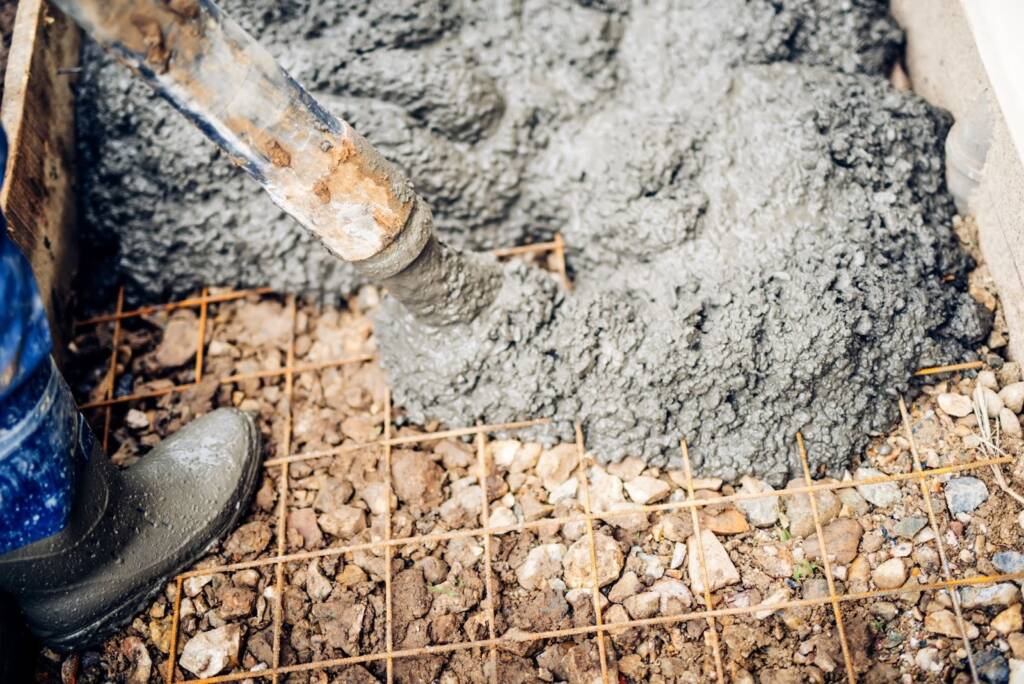
Concrete gains strength through hydration; it is not “drying” but chemical bonding. Managed curing—wet blankets, curing compounds, or controlled humidity—reduces shrinkage cracking and elevates final strength. Thoughtful joint layout acknowledges that concrete moves, guiding hairline cracks along straight, planned lines rather than across random surfaces.
Reinforcement Placement
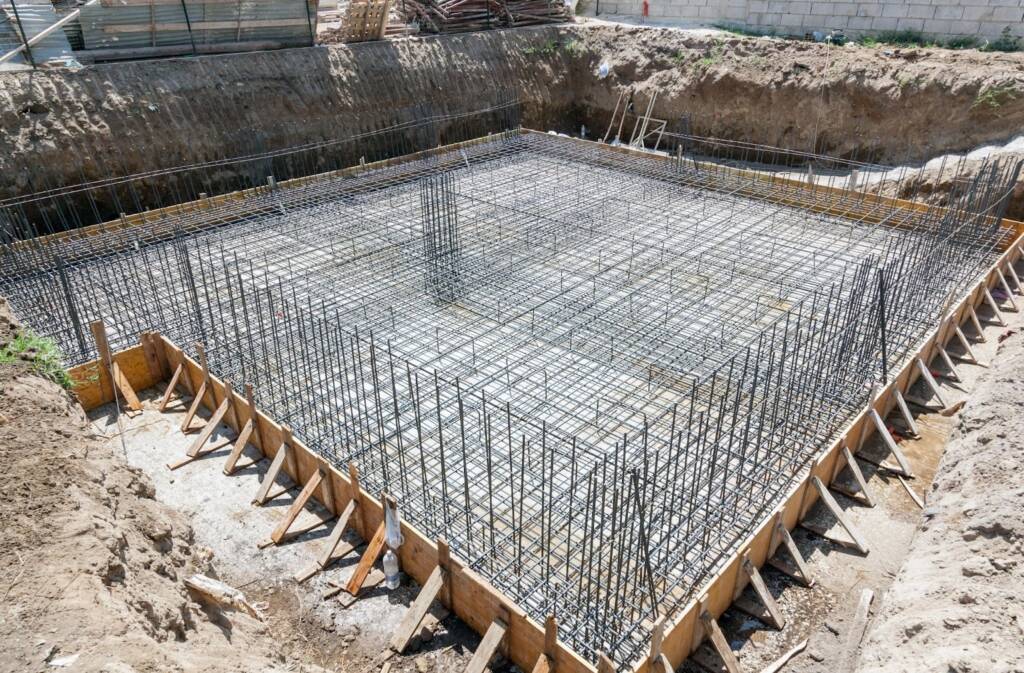
Bars need proper cover and support to work. Chairs and ties hold steel at design depth, so it engages when tension arises.
Strategic Jointing
Control and isolation joints accommodate shrinkage and building interfaces. Placing them at logical breaks preserves appearance and performance.
Performance of Concrete Foundation In Seismic and Freeze–Thaw Regions
Hazards vary by region, but foundations can be tuned. In seismic zones, continuous load paths, anchor details, and tied reinforcement allow energy to dissipate without brittle failure. In cold climates, footings must sit below frost depth with air-entrained mixes and robust drainage to resist heave; otherwise, seasonal cycles can jack the structure out of level.
Concrete Foundation Warning Signs Homeowners Should Watch
Foundations communicate when conditions change. Recognizing early cues lets you act before a small problem becomes a structural repair.
Crack Patterns and Gaps
Narrow, stable hairlines are common; widening stair-step cracks in masonry or horizontal cracks in walls need prompt evaluation.
Doors, Windows, and Floors
Sticky doors, racked window frames, or sloping floors often trace back to movement below. Tracking changes over time clarifies severity.
Moisture and Musty Odors
Damp spots, efflorescence, or persistent odors hint at drainage or waterproofing gaps. Addressing water early protects both structure and air quality.
Repair, Retrofit, and When To Call Concrete Foundation Pros
Not every issue requires invasive work. Epoxy injections can bridge tight, non-moving cracks; carbon fiber straps add tensile resistance to bowed walls; and helical piers or push piers transfer loads to deeper, competent soils when settlement is active. Experienced professionals combine monitoring data with soil and structural assessments to choose the least-intrusive fix that actually solves the cause.
Concrete Foundation Maintenance for Decades Of Safety
Foundations benefit from simple habits. Keep gutters clean, extend downspouts, maintain a positive grade, and avoid concentrated irrigation near walls. Inside, control humidity and seal slab penetrations to keep moisture predictable. Annual walkthroughs to note cracks, odors, and alignment—plus photo logs—create a history that helps experts diagnose quickly if something shifts.
Landscaping and Roots
Large trees too close to walls can desiccate clays or disturb soils. Plan plantings to protect moisture balance and prevent physical intrusion.
Hardscape and Stormwater
Patios or driveways should not trap water against the house. Saw-cut reliefs and drains maintain flow paths away from the footing.
Cost Versus Risk and Why Concrete Foundation Quality Pays
Cutting corners on soil work, steel, or waterproofing creates hidden liabilities that surface years later as uneven floors and wall cracking. Upfront testing, inspected reinforcement, and robust drainage add modest cost compared to corrective underpinning or interior rebuilds. When comparing bids, evaluate scope clarity and details on materials, not just price per foot.
Concrete Foundation Sustainability and Resilience Considerations
Durable foundations are inherently sustainable because they defer replacement and reduce embodied carbon over the building’s life. Supplementary cementitious materials like fly ash or slag can lower cement content, while better curing and waterproofing reduce repair cycles. Designing for local hazards—wind, water, temperature—keeps resources focused on maintenance rather than reconstruction.
Concrete Foundation Takeaway for Lasting Structural Safety
A foundation is more than poured stone; it’s a system that integrates soil science, structural detailing, moisture control, and long-term maintenance. When each piece is addressed—tested soils, right-sized footings, accurate reinforcement, adequate drainage, careful curing, and routine care—the structure above feels solid, the finishes stay intact, and the building ages gracefully. Prioritizing these fundamentals today is the surest path to safety tomorrow.
Visit the MMM Concrete blog to learn more about the value of a solid concrete foundation.